Preventing Childhood Obesity Through School Wellness
A supportive, non-judgmental look at how school wellness programs can help prevent childhood obesity through food, activity and habits.
By Educure School Health ·
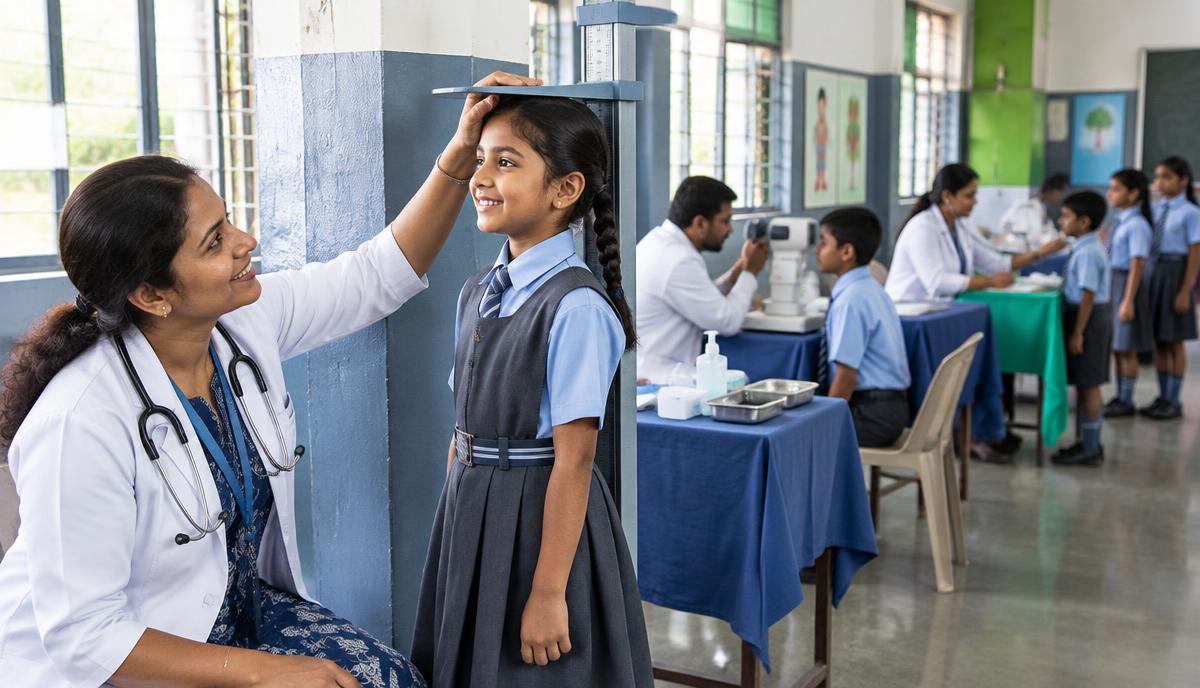
Understanding the school's role in childhood obesity prevention
Childhood obesity is influenced by a wide mix of factors, including genetics, home environment, food access, activity levels and broader community conditions, and no single setting can address all of them alone. Schools are, however, one of the few environments where a large number of children can be reached consistently, which makes thoughtfully designed school wellness programs a meaningful part of the broader prevention effort, alongside family and community support.
It is important for schools to approach this topic carefully. The aim of a school wellness program should be to create an environment that supports healthy growth and habits for every student, not to monitor, label or comment on individual children's bodies. Programs framed around shared habits, such as better food options and more movement for the whole school, tend to be both more effective and less likely to cause harm than approaches that single out individual students.
Improving the food environment on campus
One practical lever schools have is the food environment within their control: the canteen menu, vending options and any food sold during events. Reviewing these against guidance such as the Food Safety and Standards (Safe and Wholesome Food for School Children) Regulations, 2020, which addresses high fat, sugar and salt foods in and around schools, gives schools a structured way to gradually shift what is easily available on campus.
These changes work best when introduced gradually and explained clearly to students and parents, focusing on variety, freshness and energy for the school day rather than on restriction or weight. Pairing menu changes with nutrition education, as encouraged under FSSAI's Eat Right School initiative, helps students understand the reasoning rather than experiencing it as an arbitrary rule.
Building more movement into the school day
Regular physical activity supports healthy growth, concentration and mood, and schools can look for opportunities to build movement into the day beyond formal physical education periods. Short active breaks between long lesson blocks, walking or active games during free periods, and encouraging participation in a range of sports rather than only competitive teams can help more students stay active regularly.
Inclusive design matters here too. Activities should be structured so that students of different fitness levels, interests and abilities can take part without feeling excluded or compared unfavourably to peers. The goal is consistent, enjoyable movement for as many students as possible, not high-pressure performance for a few.
Communicating with families without stigma
When schools do introduce wellness initiatives, how they communicate with parents matters as much as the initiatives themselves. Messaging that centres on health behaviours, such as encouraging a balanced lunchbox or supporting active play at home, tends to be received more constructively than messaging that references a child's weight, BMI or body shape directly.
Schools working with health partners on screenings or assessments should be clear that any measurements, including height, weight or BMI where used, are screening tools meant to guide broad program planning, not diagnostic labels, and should be shared with families sensitively and privately rather than in group settings.
Putting a comprehensive wellness approach in place
Preventing childhood obesity through school wellness is most effective when food, activity, education and communication are planned together as one program rather than as isolated initiatives. This requires coordination across the canteen, physical education staff, classroom teachers and school leadership, along with a way to track what is working over time.
Educure's School Nutrition Program helps schools bring these pieces together, from canteen and menu review to activity planning and family communication support. If your school would like to build a more comprehensive, supportive wellness approach, visit Educure's School Nutrition Program page and request a proposal.
Bring this program to your school
Explore our school health checkup services program for schools across India.
See School Health Checkup ServicesRequest a Proposal for Your School
Tell us your school, city and requirement. Our team will respond within 24 hours.