Complete School Health Screening Checklist
A practical checklist principals can use to plan a thorough, well-organised student health screening day.
By Educure School Health ·
Before screening day: scheduling and records
Good screening days start weeks in advance. Decide on dates that avoid exam periods and major school events, and share the schedule with parents early so they can flag existing conditions, allergies or recent treatments the screening team should know about. Collect and update each student's basic health record, including prior checkup notes, so this year's findings can be compared against last year's.
It also helps to confirm, in writing, which professionals will attend and what they will screen for, and to keep this documentation on file. For CBSE-affiliated schools, this paperwork doubles as part of the evidence needed to show compliance with Clause 14.6's annual medical checkup requirement during affiliation review.
Setting up the screening stations
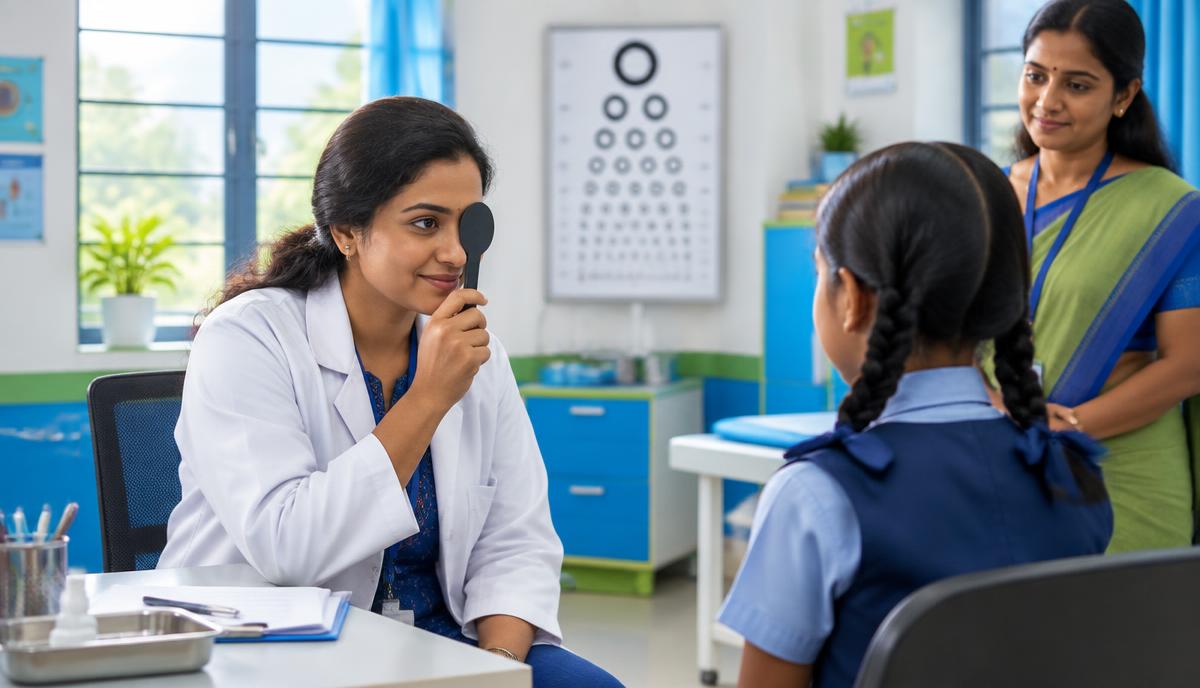
A typical screening day is organised as a series of stations students move through in sequence: registration and record pull-up, height and weight, vision, dental, general physical examination, and a final station where any concerns are noted for the parent report. Clear signage, a sensible queue system and a quiet area for students who feel anxious all make the day run more smoothly.
Each station needs the right basic equipment — a stadiometer and weighing scale, a vision chart, dental mirrors and gloves, a stethoscope and BP cuff — along with enough hand sanitiser and disposable items to maintain hygiene between students. A designated staff member at each station to manage the flow of children reduces delays considerably.
Staffing and safeguarding considerations
Screening should be conducted by qualified medical professionals, with school staff supporting logistics rather than performing clinical checks themselves. It is good practice to have a teacher or staff member present with younger children throughout their examination, and to brief the visiting team on the school's safeguarding expectations beforehand.
Privacy matters too. Findings should be recorded and discussed in a way that protects each child's dignity — no shouting out results across a hall, no comparing children against each other, and no label applied to a child based on a single day's observation. The emphasis throughout should be factual, calm and age-appropriate.
After screening day: reporting and follow-up
Once screening is complete, every parent should receive a clear, individual report describing what was observed and whether any follow-up is recommended. The school should also receive a summary report that aggregates findings without naming individual students, which is useful for planning wellness initiatives and for keeping on file as compliance evidence.
A checklist is only complete once a follow-up loop is built in. Schools should track which flagged students' parents have confirmed a follow-up visit, and gently remind families who haven't responded after a reasonable interval. Screening that is never followed up loses much of its value.
Working with an experienced partner
Running this checklist well, year after year, is easier with a partner who already has the stations, staffing and digital reporting system in place rather than building it from scratch each term. This also keeps records consistent across years, which matters both for tracking a child's health and for affiliation documentation.
Educure's School Health Checkup service is designed around this exact checklist, with digital parent reports and school-level summaries delivered promptly. If your school wants help planning the next screening day, visit Educure's School Health Checkup page and request a proposal.
Bring this program to your school
Explore our school health checkup services program for schools across India.
See School Health Checkup ServicesRequest a Proposal for Your School
Tell us your school, city and requirement. Our team will respond within 24 hours.